
Accessories
Accessories Selection Available Online
Once you have purchased your wooden floor, you may need some accessories that are designed to finish the overall look of the floor.
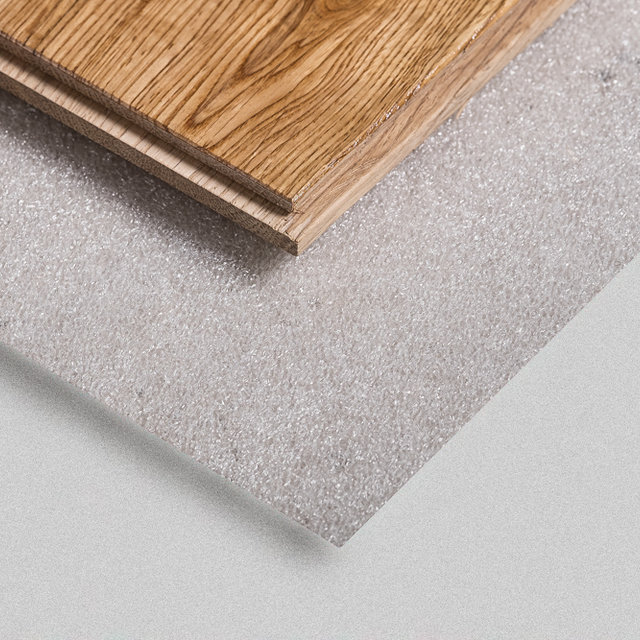
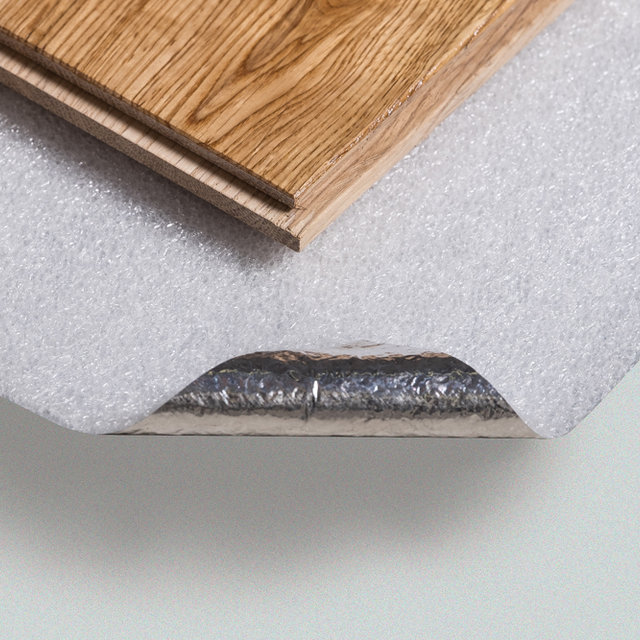
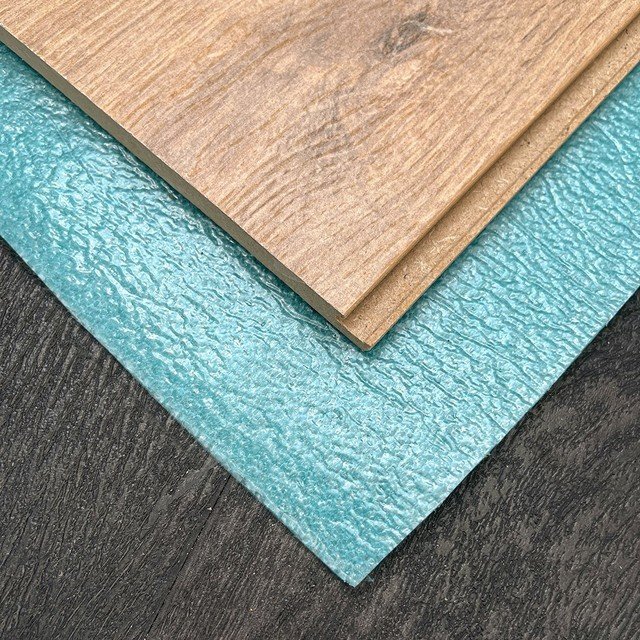
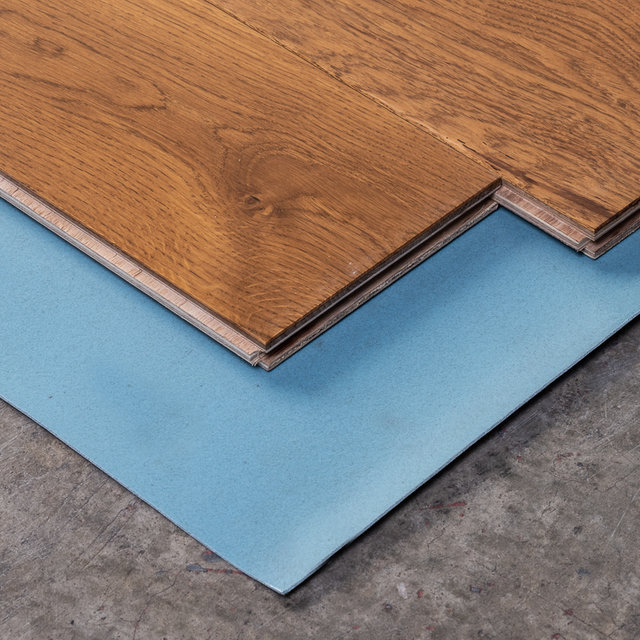
When you are installing laminate floors, or some hardwood floors, you will need to use a floor underlay to apply your flooring to the subfloor. Some of these underlays are damp proof or sound proof to suit specific requirements.
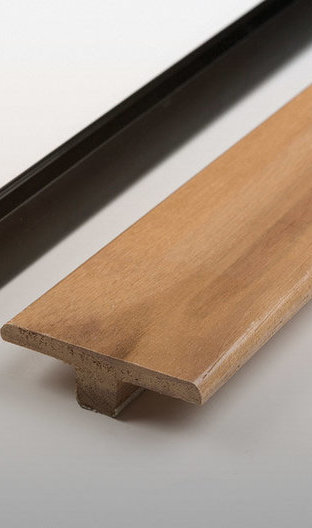
After your underlay, you may need to look for matching profiles to hide away unsightly edges or pipe holes.
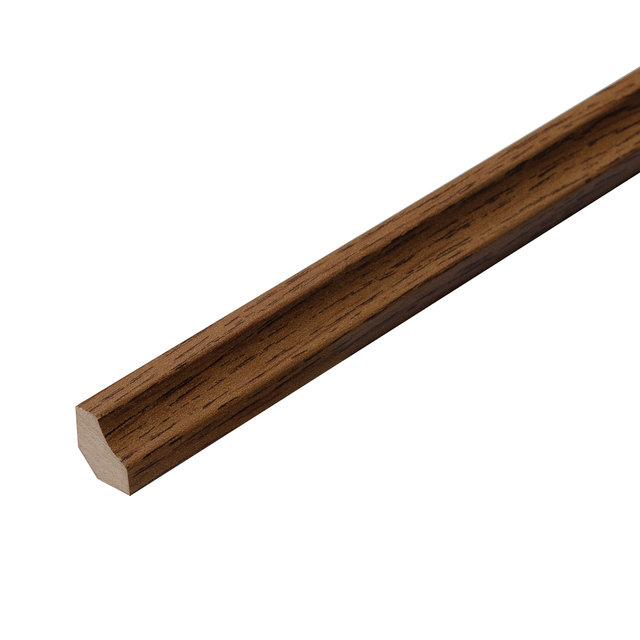
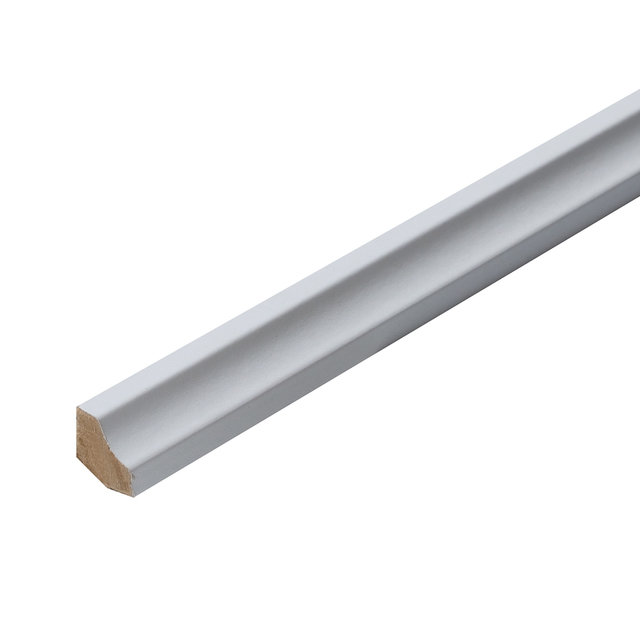
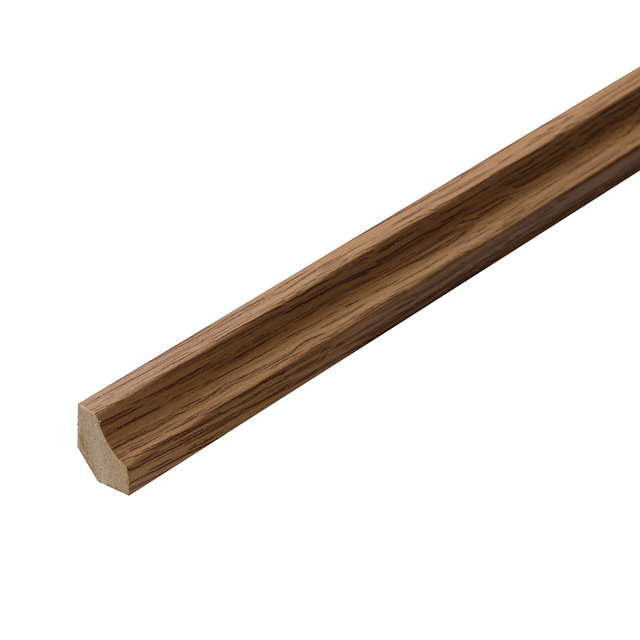
For laminate and hardwood profiles, there are skirtings, facings, scotias, radiator pipe covers, stair nose moldings and door bars. Your choice of adhesive is also an important part of your installation tools.
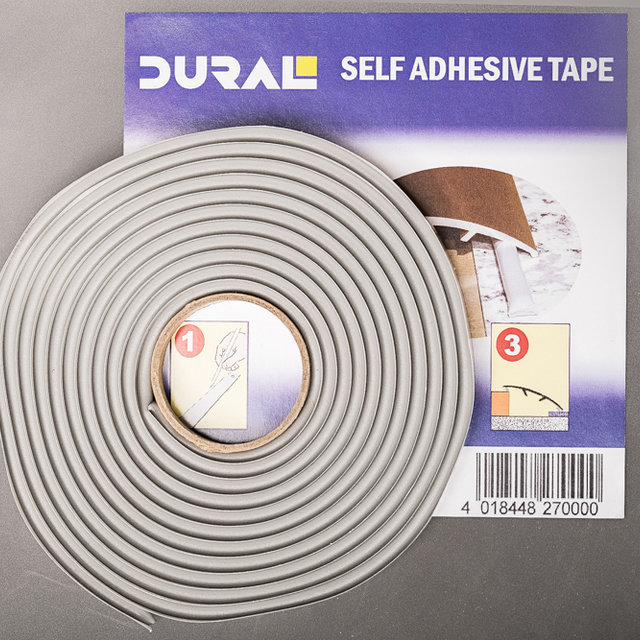
From floor installation kits, sealants, and pullbars, there are many bargain flooring accessories on offer in terms of installing your flooring. Also, to help maintain your floor, it is also advisable to look at the relevant flooring maintenance kits. If you do your part in taking care of your flooring, it can last well beyond its expected lifespan.
Price Calculator





Once you have purchased your wooden floor, you may need some accessories that are designed to finish the overall look of the floor.
When you are installing laminate floors, or some hardwood floors, you will need to use a floor underlay to apply your flooring to the subfloor. Some of these underlays are damp proof or sound proof to suit specific requirements.
After your underlay, you may need to look for matching profiles to hide away unsightly edges or pipe holes.
For laminate and hardwood profiles, there are skirtings, facings, scotias, radiator pipe covers, stair nose moldings and door bars. Your choice of adhesive is also an important part of your installation tools.
From floor installation kits, sealants, and pullbars, there are many bargain flooring accessories on offer in terms of installing your flooring. Also, to help maintain your floor, it is also advisable to look at the relevant flooring maintenance kits. If you do your part in taking care of your flooring, it can last well beyond its expected lifespan.